
Protect Your Smile With Dental Sealants in Windsor
Cavities often start in the places your toothbrush can’t fully reach—those tiny pits and grooves on the chewing surfaces of back teeth. Dental sealants are a simple, proven way to block those vulnerable areas and lower the risk of decay.
At Dr. Gary Mannarino Dentistry, we offer dental sealants for kids, teens, and adults who want extra protection against cavities—especially on molars and premolars.
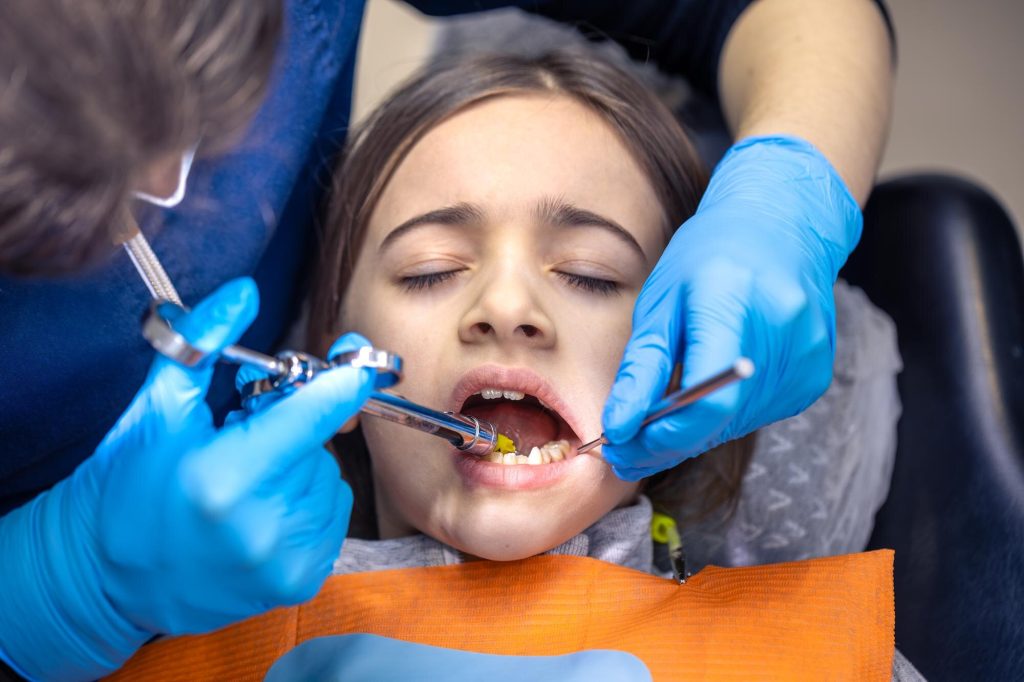
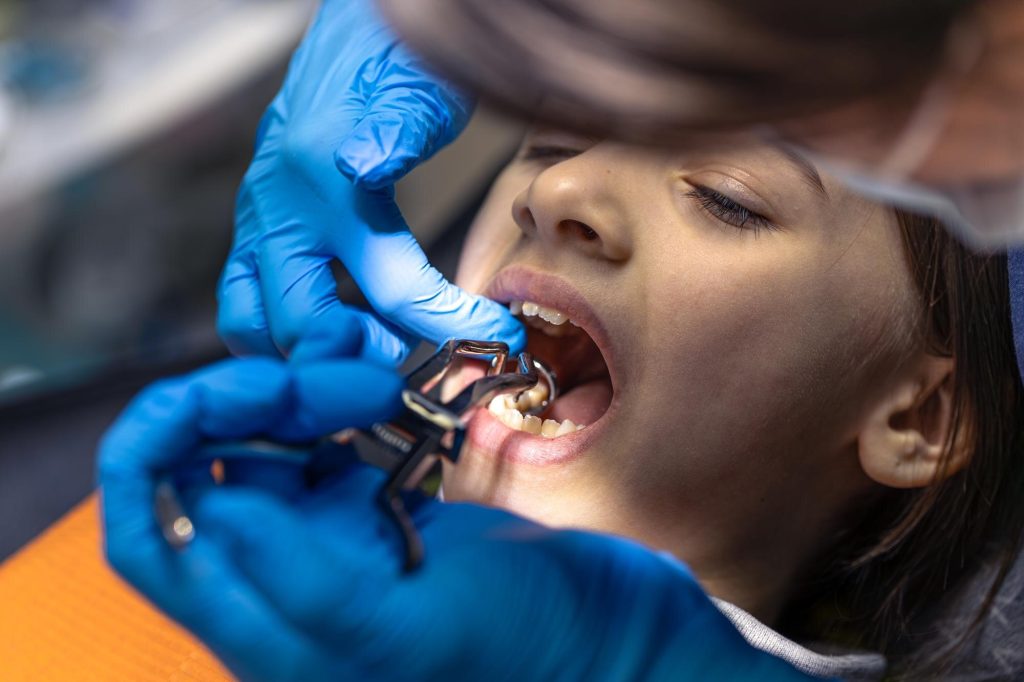
What Are Dental Sealants?
Dental sealants are a thin, protective resin coating placed on the chewing surfaces of back teeth. Once applied and hardened, the sealant forms a smooth barrier over deep grooves where food and bacteria can collect.
Which teeth are sealants used on?
Sealants are most commonly placed on:
- First and second molars (the back teeth that do most of the chewing)
- Premolars, if they have deep grooves or are at higher risk
Sealants can last for years, but they should be checked during routine dental visits to make sure they’re still intact.
Benefits of Dental Sealants
Sealants are popular because they’re fast, non-invasive, and preventive—the dental equivalent of putting a good lid on a container before anything spills.
Dental sealants can:
- Help prevent cavities by sealing out plaque and food
- Protect the chewing surfaces where many cavities begin
- Reduce the need for future fillings by preventing decay early
- Provide long-lasting protection with routine checks
Studies commonly report that sealants can significantly reduce cavity risk on chewing surfaces, especially in children and teens. (Exact percentages vary by study and individual risk.)
What Is the Dental Sealant Procedure Like?
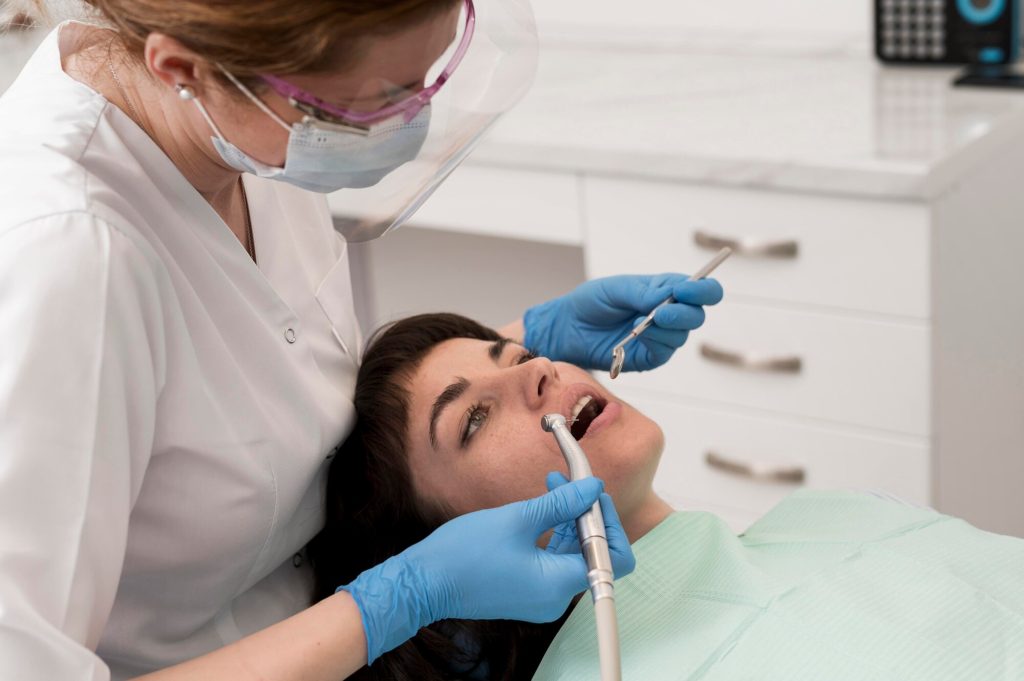
Sealants are one of the easiest preventive treatments we do. No drilling. No freezing. Usually no discomfort.
Typical steps:
- Clean and dry the tooth thoroughly
- Prepare the surface so the sealant bonds properly
- Apply the sealant into the grooves
- Harden it with a curing light
- Check your bite and the sealant’s coverage
Most appointments take only a few minutes per tooth.
Who Is a Good Candidate for Dental Sealants in Windsor?
Sealants are often recommended for children and adolescents, but adults can benefit too—especially if you’re more prone to cavities or have deep grooves that trap plaque.
Sealants may be a good fit if you have:
- A history of cavities
- Deep pits and fissures on molars
- Dry mouth (often linked to medications or health conditions)
- A diet that increases cavity risk (frequent snacking/sugary drinks)
- Grinding or clenching (sealants can still help, but durability needs monitoring)
- Areas that are hard to keep clean even with good brushing
The best way to know is a quick exam—some teeth benefit a lot, others don’t need them.
How to Care for Dental Sealants
Sealants don’t require special products, but good habits help them last.
Tips to protect your sealants:
- Brush and floss normally, but avoid aggressive scrubbing
- Don’t use your teeth as tools (opening packaging = sealant’s worst enemy)
- Be cautious with very hard foods (ice, hard candy, popcorn kernels)
- Keep up with regular checkups so we can confirm the sealant is still sealed
If a sealant chips or comes off, it’s usually easy to replace—just don’t wait too long, because the exposed grooves are vulnerable again.

Dental Sealants in Windsor at Devon Plaza Dental
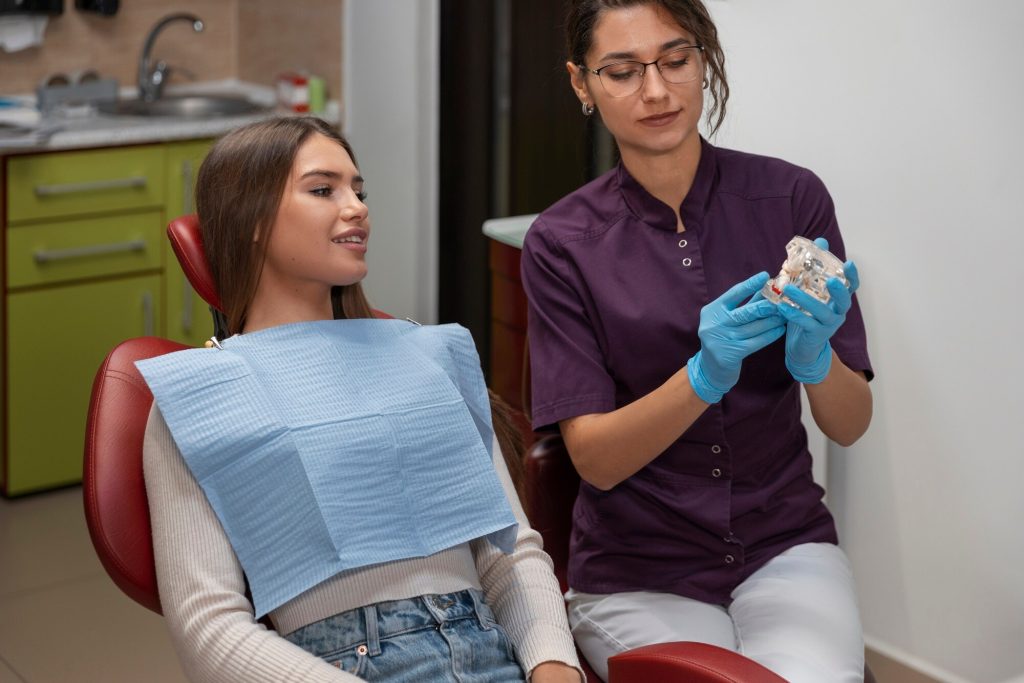
If you’re looking for dental sealants in Windsor—for your child, teen, or yourself—our team at Dr. Gary Mannarino Dentistry located at Devon Plaza Dental can help you decide which teeth would benefit and get them protected quickly.
Call our office to book an appointment.
FAQ's
Dental Sealants FAQs (Windsor)
Are dental sealants only for kids?
No. Dental sealants for adults can be an excellent preventive option if you’re cavity-prone or have deep grooves in your back teeth.
Do sealants hurt?
Sealants are typically painless. There’s no drilling and usually no numbing needed.
How long do dental sealants last?
Many sealants last for several years. We check them during routine visits and can repair or reapply them if needed.
Can you get a cavity under a sealant?
It’s uncommon when sealants are placed properly and checked regularly, but no preventive treatment is perfect. That’s why routine exams and cleanings still matter.
Are sealants the same as a filling?
No. A sealant is preventive and placed on healthy tooth grooves. A filling repairs a tooth after decay has caused damage.
Do sealants replace brushing and flossing?
They don’t. Sealants reduce risk in hard-to-clean grooves, but daily brushing/flossing and regular dental visits are still essential.