
How Digital X-Rays Can Protect Your Smile
Most dental problems don’t start with pain—they start quietly. A small cavity between teeth, early gum bone loss, a tiny crack, or an infection under a tooth can be easy to miss during a visual exam alone. That’s where digital dental X-rays (also called digital radiographs) really shine.
At Dr. Gary Mannarino Dentistry located at Devon Plaza Dental, digital X-rays help us catch concerns early, explain what we’re seeing clearly, and plan treatment before minor issues turn into bigger (and more expensive) ones.
What Are Digital Dental X-Rays?
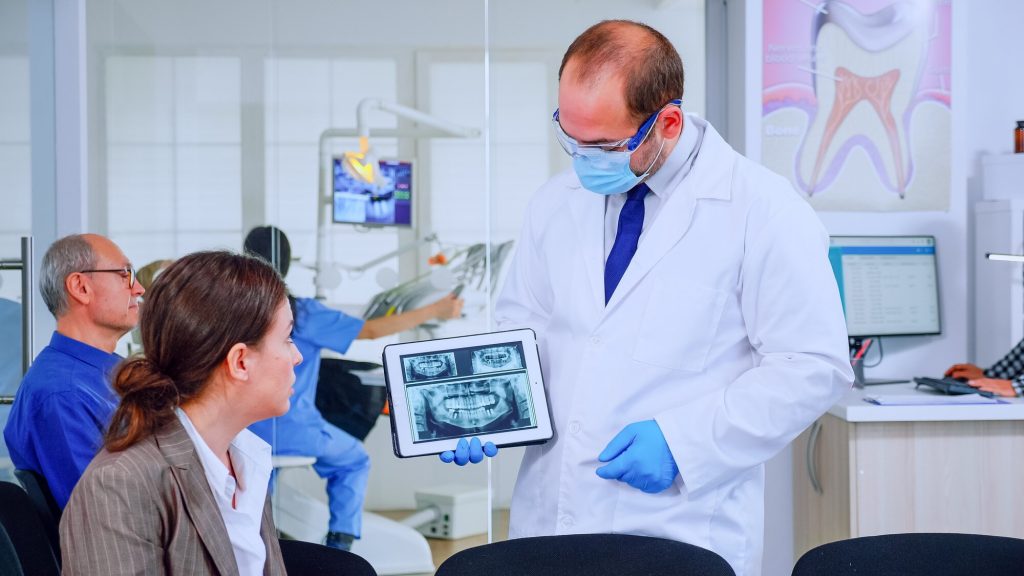
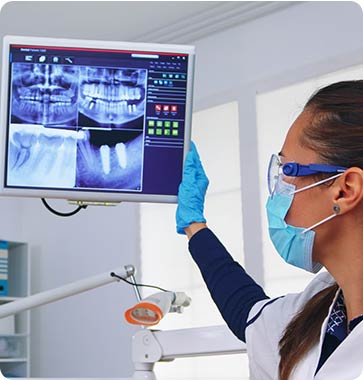
Digital X-rays are modern dental images captured using electronic sensors instead of traditional film. The result is a detailed image that appears on a screen within seconds, allowing your dentist to zoom in, adjust contrast, and examine areas that aren’t visible to the naked eye.
What X-rays can show that an exam often can’t
- Cavities between teeth
- Early decay under old fillings
- Changes in bone level related to gum disease
- Infections near tooth roots (abscesses)
- Impacted teeth (including wisdom teeth)
- Cysts and other abnormal growths
Why Digital X-Rays Are a Big Upgrade (Compared to Traditional Film)
Traditional dental X-rays still work, but digital imaging offers several practical advantages that most patients notice right away.
Lower radiation exposure
Digital dental X-rays typically use significantly less radiation than film-based X-rays (often cited as up to 90% less, depending on the system and technique). That’s one reason many clinics have moved to low-radiation dental X-rays as the standard. Important note: We still follow the “only when needed” approach—X-rays are taken based on risk, symptoms, and clinical findings.
More comfortable for many patients
Older film can feel bulky and sharp, especially if you have a strong gag reflex or a smaller mouth. Digital sensors are often easier to tolerate, and because images are captured quickly, you usually spend less time holding awkward positions.
Clearer images that help spot problems earlier
Digital radiographs provide high-quality images that can make it easier to detect issues sooner and more accurately, including: • Bone loss related to periodontal (gum) disease • Abscesses and infections • Impacted teeth • Suspicious areas that may require further evaluation The goal isn’t to “find something wrong.” It’s to confirm what’s healthy—and catch what isn’t while it’s still manageable.
Faster, easier sharing and better long-term records
Because the images are digital: • They’re stored securely in your chart • They can be pulled up quickly during appointments • If a referral is needed, images can often be sent efficiently to another provider That means less waiting, fewer retakes, and better continuity of care.
More environmentally friendly
Digital X-rays don’t require film or chemical processing, which reduces waste and avoids the chemicals used in traditional developing.
When Do You Typically Need Dental X-Rays?
There isn’t a one-size-fits-all schedule. How often you need dental X-rays depends on your age, dental history, symptoms, and cavity risk.
You may need X-rays more often if you:
- Have frequent cavities or a history of decay
- Have gum disease or signs of bone loss
- Have tooth pain, swelling, or sensitivity that needs diagnosing
- Have a lot of existing dental work (fillings, crowns)
- Are monitoring wisdom teeth or impacted teeth
If you’re new to the practice, X-rays may also be recommended to get an accurate baseline of your oral health.
Are Digital X-Rays Safe?
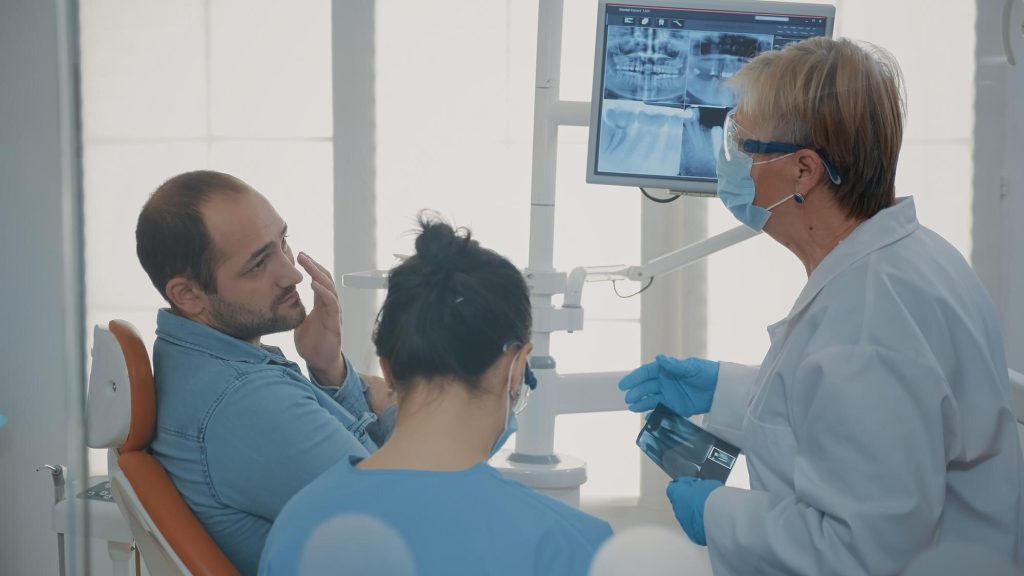
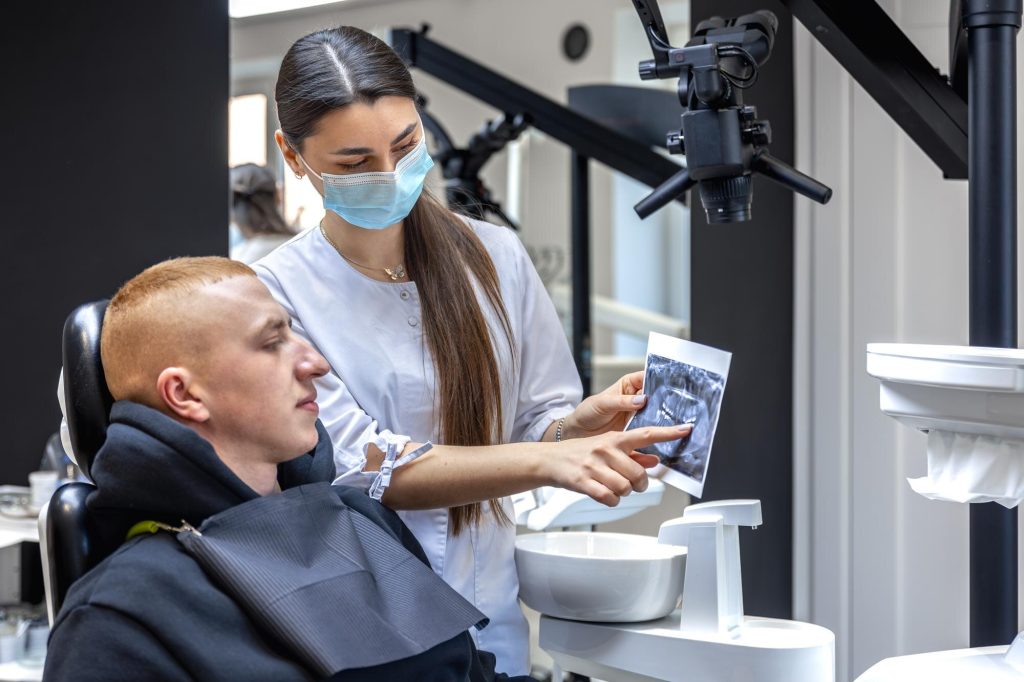
For most patients, yes. Digital imaging is designed to keep radiation exposure low, and dental teams use protective practices to reduce exposure further.
We also take X-rays only when they’re clinically useful—meaning there’s a clear preventive or diagnostic benefit.
If you’re pregnant (or think you might be), tell the team before imaging so we can decide the safest approach for your situation.
FAQ's
Digital Dental X-Ray FAQs (Windsor)
Are digital X-rays really lower radiation than traditional X-rays?
In many cases, yes—digital dental X-rays generally use much less radiation than film-based X-rays. The exact reduction depends on the technology and the type of image taken.
Why do I need X-rays if my teeth look fine?
Because some of the most important issues happen where we can’t see them—between teeth, under restorations, and below the gumline. X-rays help confirm what’s healthy and catch hidden problems early.
What can dental X-rays detect?
They can help detect cavities, infections/abscesses, bone loss from gum disease, impacted teeth, cysts, and other abnormalities that aren’t visible in a standard exam.
Do digital X-rays hurt?
No. The imaging itself is painless. Some people find sensors mildly uncomfortable, but it’s usually quick and manageable.
How long do digital X-rays take?
Usually just a few minutes. Images appear almost instantly, which speeds up the appointment.
Can you share my X-rays if I’m seeing a specialist?
Often, yes. Digital files can be stored and transmitted more easily than film, which helps with referrals and second opinions.