
Why Professional Fluoride Treatments Matter
Keeping your teeth healthy isn’t only about brushing and flossing—it’s also about strengthening your enamel so it can resist everyday wear, acids, and cavity-causing bacteria. Professional fluoride treatments are a simple, quick way to help protect your teeth from decay, and they can even help reverse early (incipient) tooth decay before it becomes a cavity.
Below is a practical breakdown of who benefits, what fluoride does, and why in-office treatments can be a smart add-on to regular cleanings.
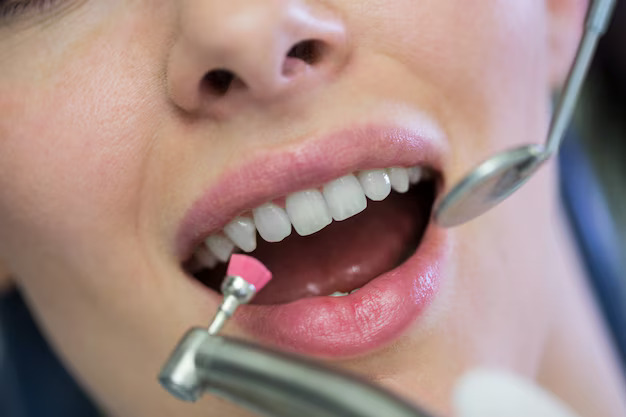

What Is Fluoride (and Why Dentists Use It)?
Fluoride is a naturally occurring mineral that helps strengthen tooth enamel through a process called remineralization. In plain terms: it helps replace lost minerals in enamel and makes teeth more resistant to acid attacks from foods, drinks, and bacteria.
Professional fluoride vs. toothpaste fluoride
- Toothpaste/mouth rinse fluoride: great for daily maintenance, lower concentration
- Professional fluoride treatment: higher strength, applied carefully by a dental team for targeted protection
Who Can Benefit from Professional Fluoride Treatments?
In short: most people can benefit, but fluoride is especially helpful if you’re at a higher risk for cavities.
You may benefit more if you:
- Get cavities often or have a history of tooth decay
- Have sensitive teeth
- Have dry mouth (from medications, medical conditions, or mouth breathing)
- Have gum recession (more exposed root surfaces can decay faster)
- Wear braces or have dental appliances that make cleaning harder
- Live in an area with low fluoride in the water supply
- Are a child/teen with developing teeth or an adult prone to recurring decay
Benefits of Fluoride Treatments
Professional fluoride treatments are popular because they’re quick, conservative, and preventive.
Fluoride treatments can help:
- Prevent cavities by strengthening enamel
- Reverse early signs of tooth decay (before a cavity forms)
- Make teeth more resistant to acid attacks
- Reduce tooth sensitivity, especially with exposed enamel/root areas
- Support long-term oral health by helping reduce conditions that can contribute to bone loss around teeth (often indirectly by lowering decay/inflammation risk)
Note: Fluoride doesn’t replace fillings or repair deep decay—but it can help slow or stop early demineralization.

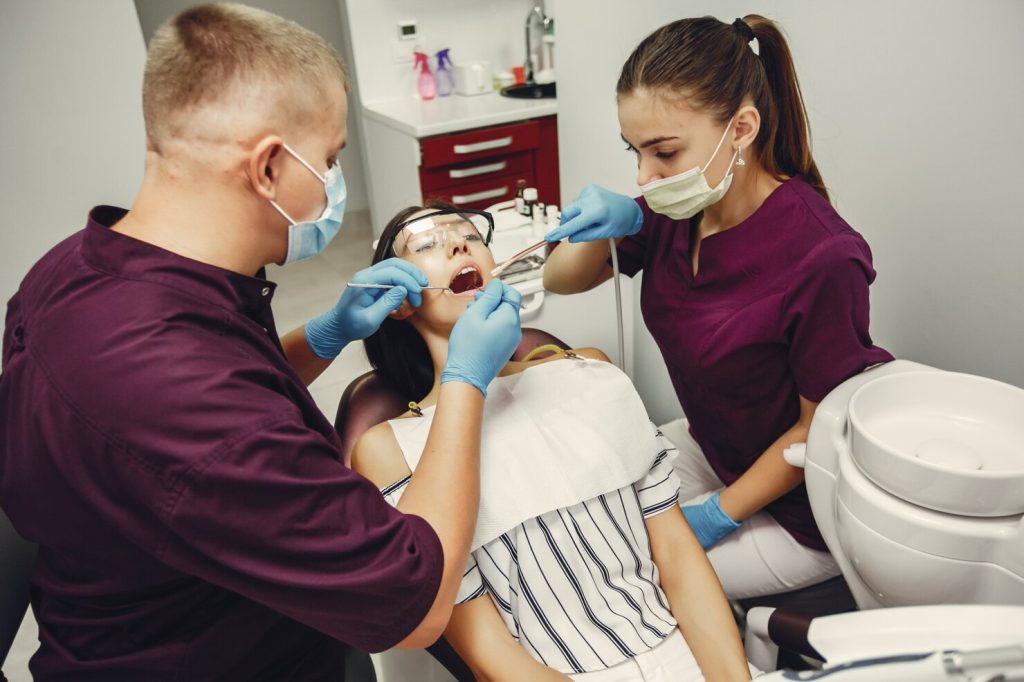
Are Professional Fluoride Treatments Safe?
Yes, when applied properly, professional fluoride treatments are considered safe and effective.
Why safety is strong in a dental office
- The dose is selected based on age and cavity risk
- Application is controlled to minimize swallowing
- Your dental team avoids unnecessary contact with sensitive tissues when possible
- Instructions are provided after treatment (for example, waiting a bit before eating/drinking, depending on product used)
If you have concerns (allergies, medical conditions, or sensitivity), share them before treatment so the approach can be adjusted appropriately.
What to Expect at a Fluoride Appointment
Fluoride treatment is usually done after a cleaning and exam.
Typical steps:
- Teeth are cleaned and dried
- Fluoride is applied (often as a varnish, gel, or foam)
- You’ll get brief aftercare instructions
Most appointments add only a few minutes, but the preventive benefit can last much longer—especially for higher-risk patients.


Book a Fluoride Treatment in Windsor
If you’re interested in professional fluoride treatments in Windsor and want to know whether they make sense for your teeth, contact our team at Dr. Gary Mannarino Dentistry in Windsor. We’ll look at your cavity risk, sensitivity, and enamel health—and recommend a plan that fits your needs.
FAQ's
Fluoride Treatment FAQs
How often should I get a professional fluoride treatment?
It depends on your cavity risk. Many people do well with fluoride during routine hygiene visits, while higher-risk patients may benefit from more frequent applications.
Can fluoride really reverse tooth decay?
Fluoride can help reverse early enamel demineralization (the earliest stage before a cavity forms). Once decay becomes a true cavity (a hole in the tooth), it usually needs restorative treatment.
Is fluoride helpful for adults, or only kids?
Fluoride helps both. Adults often benefit due to gum recession, dry mouth, older fillings, or recurring decay.
Will fluoride help with tooth sensitivity?
It often can. Fluoride strengthens enamel and can reduce sensitivity—especially if sensitivity is related to weakened enamel or exposed root surfaces.
Is fluoride safe if I have sensitive gums?
Yes. Your dental team applies fluoride carefully and can choose the most comfortable method for your mouth.
Do I still need fluoride if I brush with fluoride toothpaste?
Yes, sometimes. Toothpaste is excellent daily protection, but professional fluoride can provide an added boost—especially if your cavity risk is higher.
What should I avoid after fluoride treatment?
Follow the aftercare instructions you’re given. Common guidance may include waiting a short time before eating/drinking, depending on the fluoride product used.