
Restore Function and Appearance with Expert Dentures in Windsor
Missing teeth can make meals frustrating and conversations feel oddly exhausting. Dentures are a practical, time-tested way to restore your smile—whether you’re missing a few teeth or all of them.
At Dr. Gary Mannarino Dentistry, we provide full and partial dentures in Windsor designed to look natural and feel comfortable, with a fit that supports everyday speaking, chewing, and smiling.
- Full dentures replace all teeth in the upper and/or lower arch.
- Partial dentures replace one or more missing teeth and typically use discreet clasps or precision fit to stay secure around remaining teeth.
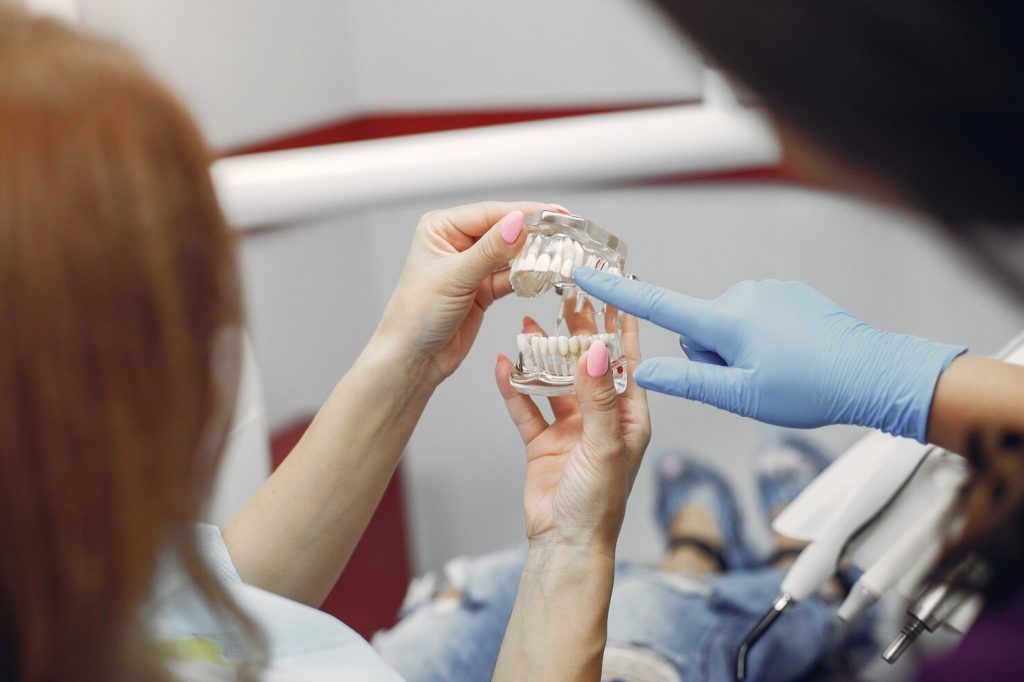
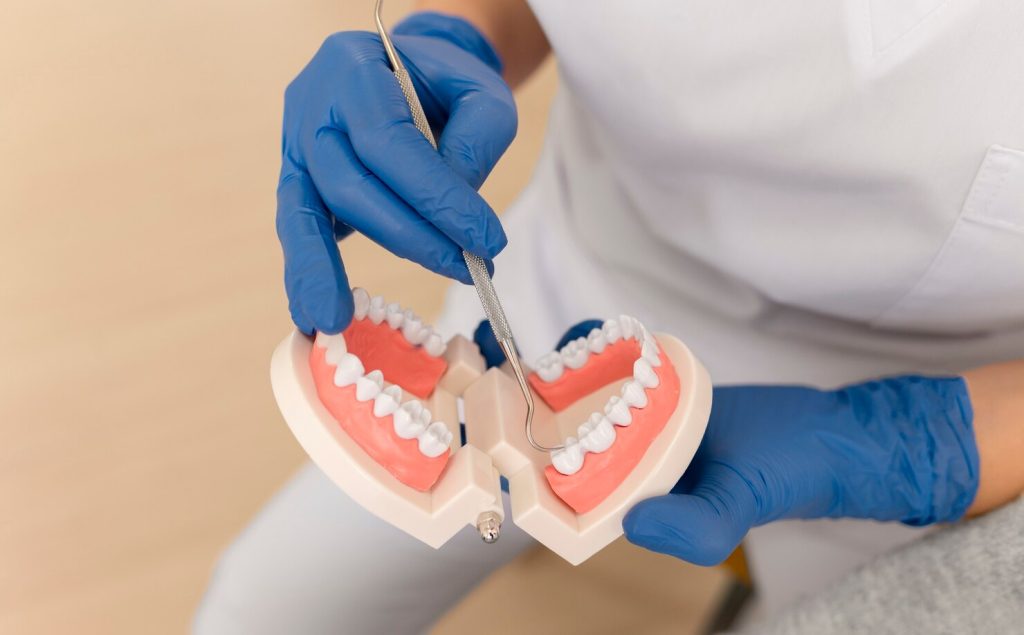
Custom Dentures Designed to Fit You
Dentures shouldn’t feel like “one-size-fits-most.” A good denture is planned around your mouth shape, bite, and lifestyle—because comfort is the whole point.
Your denture plan may include:
- A detailed exam and measurements to ensure a stable fit
- Bite evaluation to improve chewing comfort and reduce sore spots
- Tooth shade and shape selection for a natural look
- Adjustments after delivery (normal and expected—like hemming pants, but for your smile)
If you’ve had dentures before and they feel loose, bulky, or painful, we can assess whether you need adjustments, a reline, or a replacement.
Benefits of Removable Teeth Replacement in Windsor
Dentures remain a popular option because they restore appearance and function without surgery for many patients.
Removable teeth replacement can help you:
- Smile with confidence and improve facial aesthetics
- Speak more clearly once you adjust to the fit
- Chew a wider variety of foods, supporting better nutrition
- Support facial muscles, helping reduce a “sunken” look after tooth loss
- Prevent shifting of remaining teeth (with partial dentures)
- Choose a solution when bridges or implants aren’t feasible right now

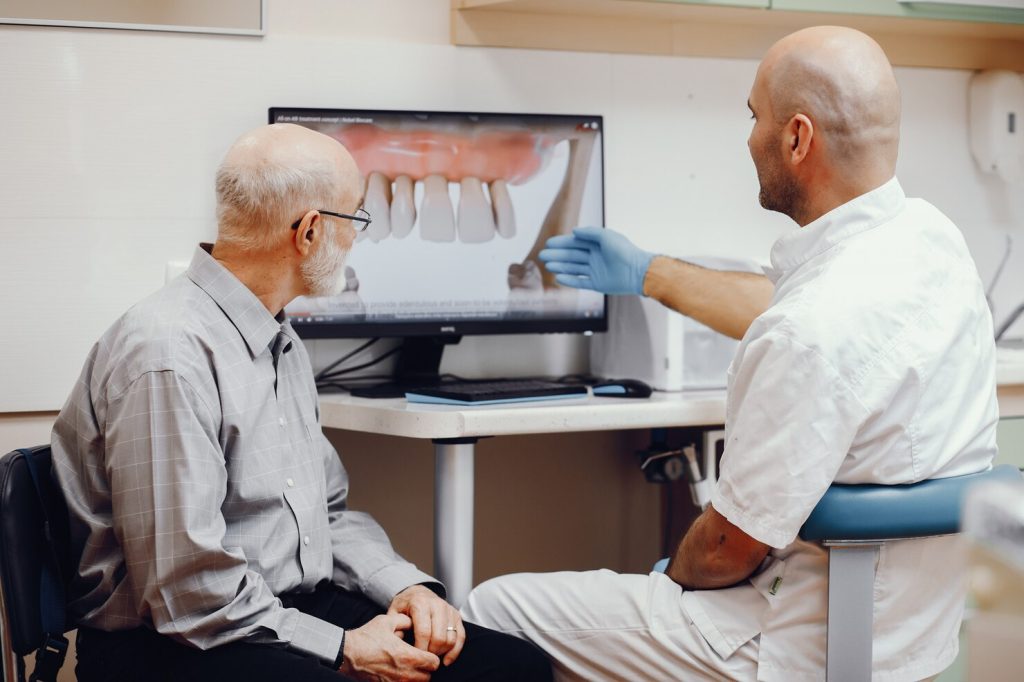
Considering implant-supported dentures?
For some patients, implant-supported dentures can improve stability and reduce slipping. We can discuss whether you may be a candidate and what the process would look like based on your oral health and goals.
Caring for Your Dentures
Dentures last longer—and feel better—when they’re cared for properly.
Daily denture care tips:
- Brush dentures daily with a denture brush and non-abrasive cleaner
- Rinse after meals when possible (small habit, big payoff)
- Soak dentures overnight in a denture solution (not hot water)
- Clean your gums, tongue, and any remaining natural teeth daily
- Don’t “DIY adjust” with files or adhesives as a permanent fix—come in for a proper adjustment
How often do dentures need to be replaced?
Many dentures need replacement about every 5–7 years, sometimes sooner if they crack, wear down, or become loose due to normal changes in gum and bone shape. Regular checkups help us catch fit issues early—before they turn into sore spots.
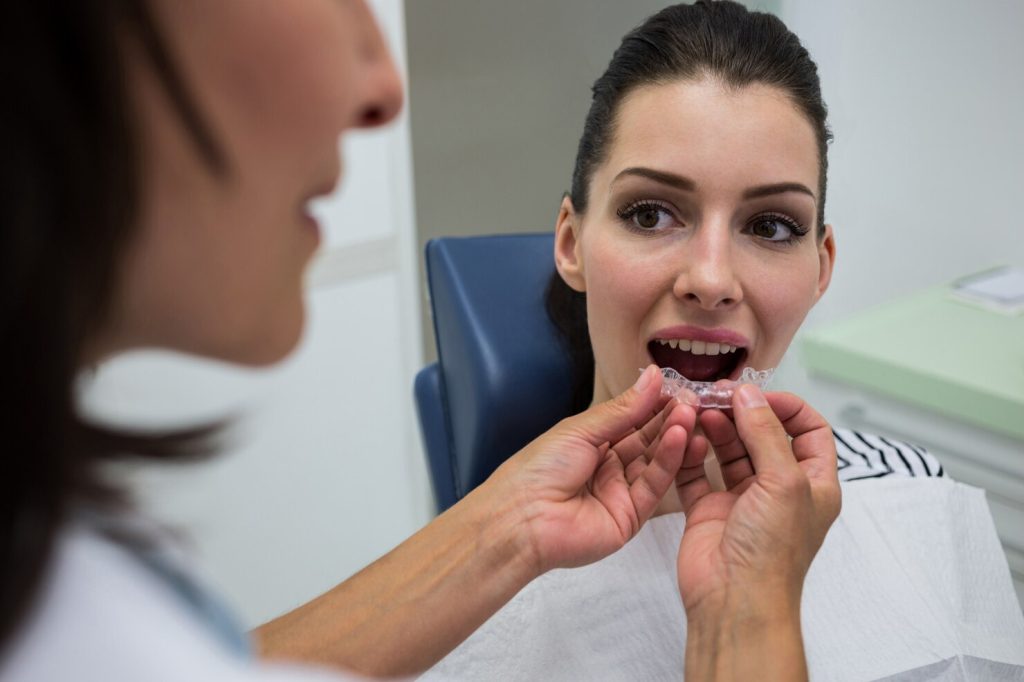
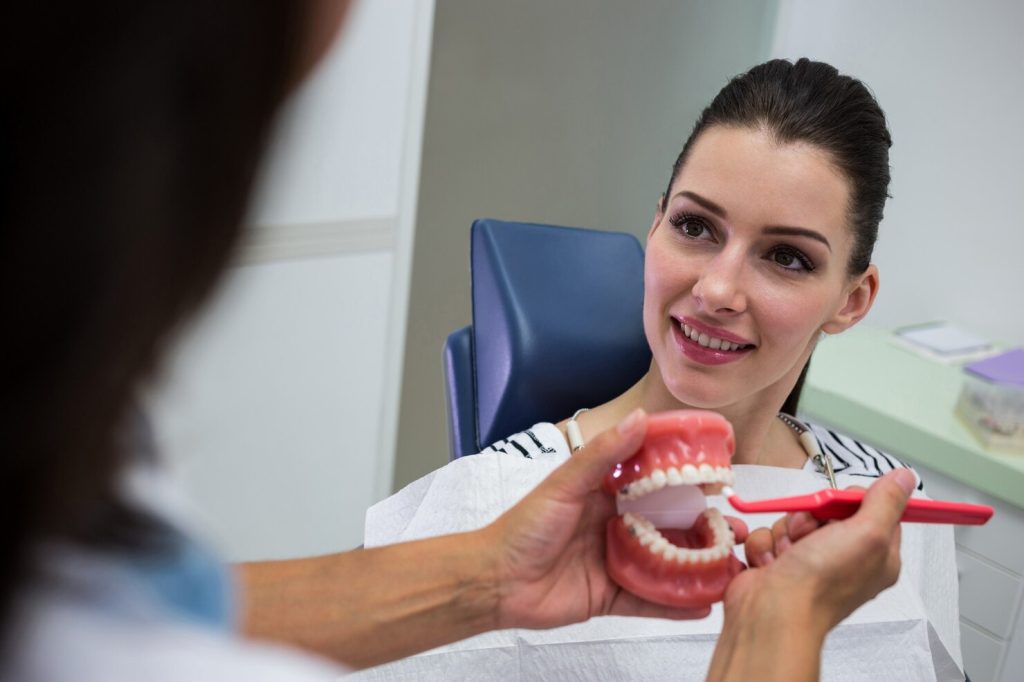
Schedule Your Denture Consultation Today
If you’re exploring dentures in Windsor—or your current denture doesn’t fit like it used to—book a consultation with Dr. Gary Mannarino Dentistry. We’ll review your options (full, partial, and implant-stabilized solutions), explain what to expect, and build a plan focused on comfort and confidence.
FAQ's
FAQs About Dentures in Windsor
How long does it take to get dentures?
It depends on whether teeth need to be removed first and whether you’re getting immediate or conventional dentures. Many cases take a few appointments over several weeks, plus follow-up adjustments to fine-tune the fit.
Will dentures look obvious?
Modern dentures are designed to look natural. We choose tooth shape and shade to suit your face and smile—no “one default denture look.”
Are dentures uncomfortable?
There’s an adjustment period—your mouth and muscles need time to adapt. Some tenderness at first is common, and small sore spots can usually be solved with quick adjustments.
Can I eat normally with dentures?
You’ll get back to comfortable eating, but it’s a learning curve. Starting with softer foods and small bites helps. As your fit improves and you gain confidence, most patients expand their diet significantly.
Why do my dentures feel loose over time?
Gums and jawbone can change shape after tooth loss, which affects fit. A reline, adjustment, or new denture may be needed. If looseness is frequent, implant-supported options can improve stability.
Do I sleep with my dentures in?
Most patients are advised to remove dentures at night to let the tissues rest and to reduce irritation and fungal issues. We’ll give you specific guidance based on your denture type and oral health.
How do I clean dentures properly?
Brush daily with a denture brush and a denture-safe cleaner, and soak overnight. Avoid abrasive toothpaste and hot water (both can damage the surface or warp the denture).
What’s the difference between full dentures and partial dentures?
Full dentures replace all teeth in an arch. Partial dentures replace some teeth and use remaining natural teeth for support and positioning.
What if my denture cracks or breaks?
Stop wearing it and call us. Many breaks can be repaired, but continuing to wear a damaged denture can worsen fit and cause sore spots.
Are implant-supported dentures the same as dental implants?
They’re related but not the same thing. Implant-supported dentures use implants to help anchor a denture for better stability—often fewer implants than would be needed to replace every tooth individually.